Web development
Built for the conditions your readers are in, tested before launch, and run by your own team after it.
A field coordinator opens your site on a phone, on a weak signal, in the middle of something else. The median home page on a phone weighed 2.56 MB in 2025, which takes about 51 seconds at 400 kilobits per second. If a document takes a minute, it does not get read.
So the performance budget comes first. We set a limit, 500 KB a page as a rule, before design starts, and every template is built to it and measured against it on every release. The Collective Service home page opens at 283 KB.
Accessibility is tested the same way: by tool, with axe-core and Lighthouse, and by hand, through the keyboard and the skip link, with the method and the results published in a statement you can file. The Global Girls Foundation’s live home and giving pages score 100 on Lighthouse accessibility.
Then the site is handed to your team. One form for each kind of content, each listing what is missing before a page can be published, with a step-by-step guide kept inside the editing side. Every template, redirect and document migration is handled in the build, so no address you own breaks on launch day.
What you get
Performance budget
Set before design and written into the proposal; measured as each page opens, scrolled to the end and on a high-density phone.
WCAG conformance
Tested by tool and by hand before launch, and written up in an accessibility statement with its method and date.
Editing layer
Usually WordPress with a custom theme: one form per kind of content, checks before publishing, a guide inside the admin.
Migration
Every page and document brought across through a repeatable importer, and every old address mapped to its new place.
Launch
A crawl of every page and link before go-live, redirects confirmed on the day, and a watch over the first 48 hours.
Records
The accessibility statement, the security note and the performance figures, dated, for your files and your donor’s.
Fees
A website from CHF 35,000, fixed to scope and invoiced in Swiss francs on signing, at design sign-off and at launch. Knowledge systems are priced separately. See Evidence intelligence →
On the record
- Home page 283 KB against a 500 KB budget (The Collective Service, 24 October 2026)
- Lighthouse accessibility 100 on live pages (Global Girls Foundation, 4 November 2026)
- 1,593 old addresses mapped to the new site
- 21 pages and 23 redirects correct on launch day
From the work
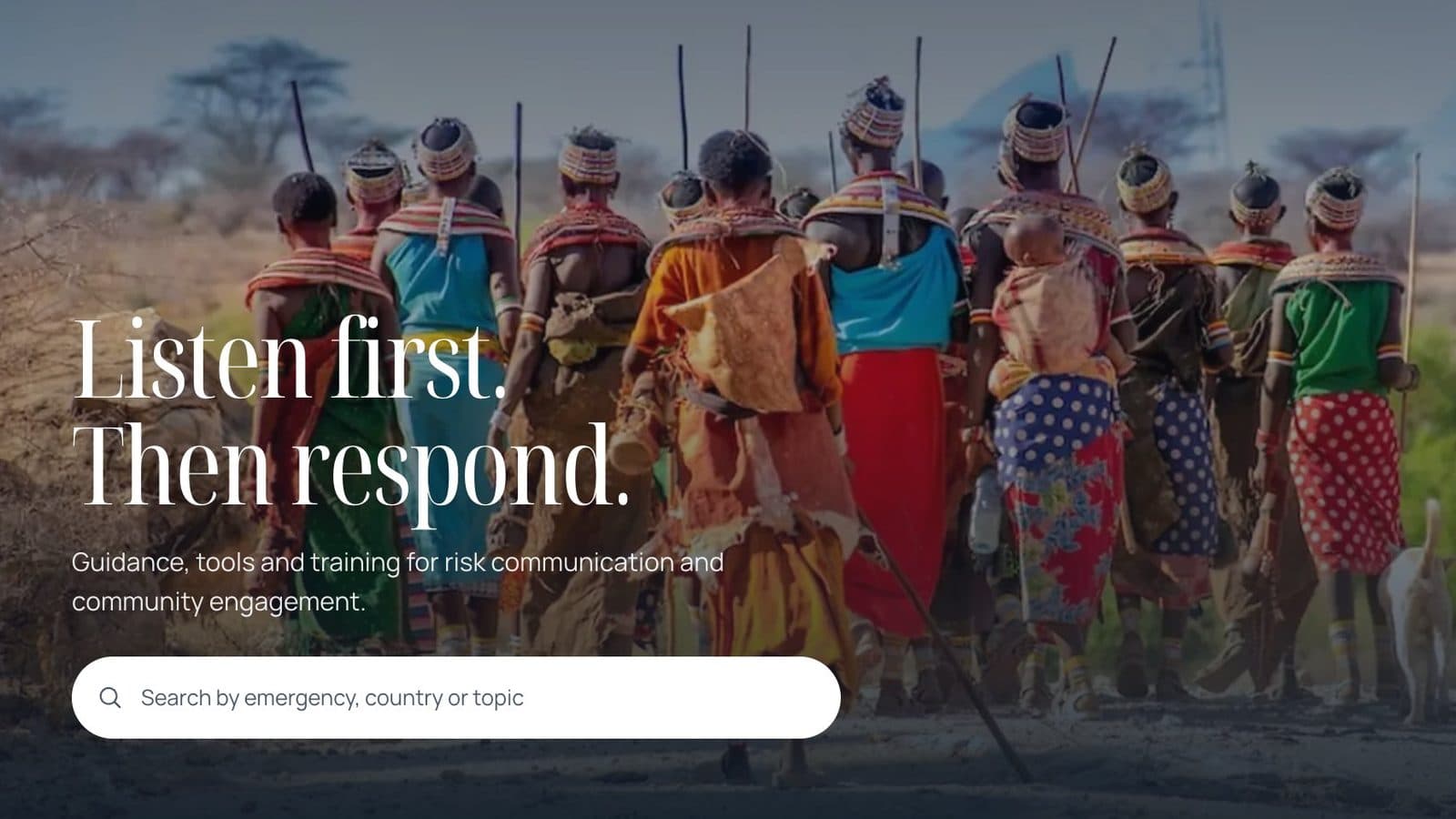
The Collective Service
Partnership · 2026 · 30 page templates, 155 documents fetched and held, every page under 500 KB.
Read the case study →Questions we are asked
Which editing system?
Usually WordPress with a custom theme, because your team can find editors and developers for it anywhere. Both case studies run on it. If your organisation has a standard, say so in the brief and the proposal answers it.
Who holds the accounts?
You do. Hosting, domain, payments and the editing system are registered to your organisation, with us added as a user. We are never the only one with the keys.
Where is it hosted?
Where your rules allow. The Global Girls Foundation is hosted in Belgium; if your data has to stay in a region, the proposal names the host and the country.
Contact
Send us the brief.
A rough brief or a terms of reference is enough. Matthew Bowman replies the same business day, and you have a fixed-fee proposal within five working days.